
What is cold process saponification? Explained simply.
Our soaps say "cold process". What does that mean – and why is it important for your skin?
The short explanation
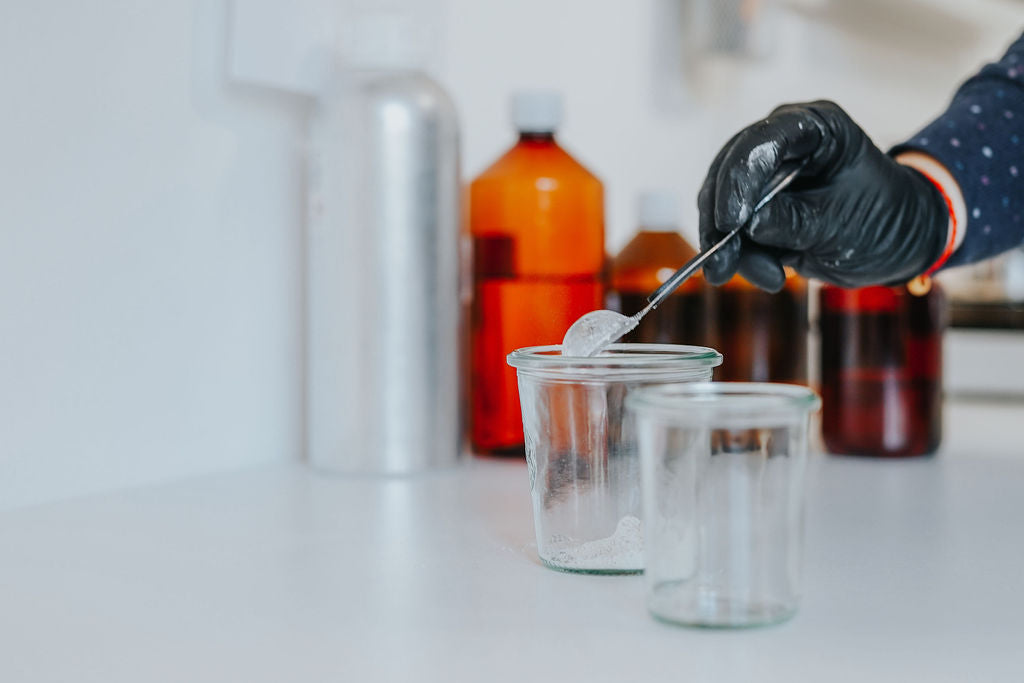
In cold process soap making, vegetable oils are mixed with lye at low temperatures. A chemical reaction – called saponification – produces soap and natural glycerin. The lye is no longer present in the finished product – it is completely transformed.
The key point: The low temperature protects the valuable properties of the oils used. And the glycerin remains in the soap – it is not extracted.
What is glycerin and why is it important?
Glycerin is a natural humectant. It attracts moisture from the air and holds it in the skin. In industrially produced soaps, glycerin is often removed and sold separately – for example, for creams and lotions.
In a cold process soap, it stays in. This is one of the main reasons why handmade natural soaps cleanse the skin gently and nourish it – rather than drying it out.
What is the difference to industrial production?
Industrial soaps are produced at high temperatures – faster, cheaper, in large quantities. The glycerin is extracted. Synthetic additives are often added to improve consistency and shelf life.
Cold process soap making takes longer – the finished soap also needs to cure before it can be used. The result is milder, more nourishing and more natural.
Why do natural soaps cure?
After mixing, the soap needs time: Excess water evaporates, and the soap becomes firmer and milder. The longer the curing time, the gentler the soap. In our manufactory in Tyrol, we allow every soap to cure sufficiently – before it goes on sale.
In short:
– Cold process = gentle, glycerin retained
– Industrial = fast, glycerin extracted
– Curing time = for optimal mildness
→ All our cold process natural soaps: ALL NATURAL SOAPS